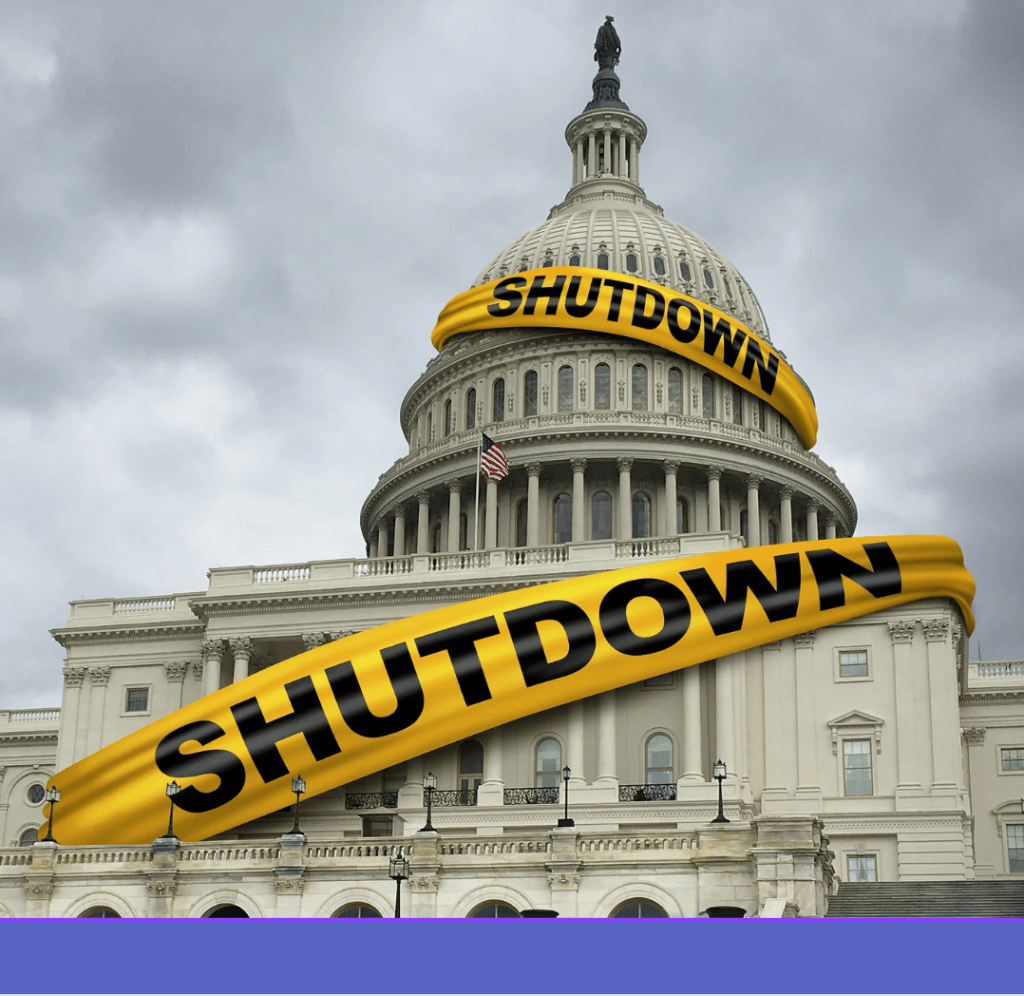
Your home is likely one of the greatest investments you’ll ever make. If you want to keep it either for yourself or for your family, it’s important for you to make your mortgage payments on time. But that can be challenging if you’re affected by the shutdown of the federal government.
If you’re not receiving a paycheck or certain benefits you depend on because of the shutdown, you may find yourself falling behind on your bills. That can lead you to be late paying your mortgage and when you fall behind, sometimes it is difficult to catch up.
The good news is there are things you can do to protect your home even if you are struggling to pay your bills. Here are some pre-emptive steps you can take.
Reach out to your lender.
While your first instinct may be to avoid answering the phone if your lender calls, that’s the last thing you should do. The government shutdown and its impact on Americans is widely known and your lender knows that many of their customers are being affected. Let them know if you are one of them and they may be willing to give you a break. In fact, many lenders have announced that they will waive late fees and push back due dates to help their customers get through this time.
Also, utility companies and some service providers are allowing customers to delay payments until the shutdown is over. But they can’t help you if you don’t ask. Call every service provider you owe money to and explain your situation. Some may let you defer payment until the shutdown is over. That way, you can put that money toward payments that you don’t want to push back such as your mortgage.
Stick to minimum payments.
When it comes to debt, a common piece of advice is to make more than the minimum payments. While that is excellent advice, you may want to amend that strategy temporarily if you’re not receiving a paycheck or benefits you depend on because of the government shutdown. When there is a lot of uncertainty around your financial situation, it’s often safer to make minimum payments and hold onto the extra cash. That way you’ll have extra money sitting around in case you need it for your mortgage payment or other housing costs. Once your financial situation is on more solid footing, you can go back to paying more on your debt.
Look for alternative streams of income.
When you lose a stream of income, the best thing you can do is replace it – or at least some of it. If you’re out of work due to the shutdown, see if you can use that free time to earn some extra money in another way, such as by delivering groceries or food via a delivery service or signing up to be a substitute teacher. You may be able to make enough money to stay afloat, and you may identify an opportunity that can help you save extra money for mortgage payments down the road.
In every circumstance, it pays to look ahead. By focusing on being able to pay your mortgage, you can enjoy the fruits of homeownership for years to come.
Schedule a Consultation Today
You are not alone. We are here to help.
Cómo evitar que el cierre del gobierno afecte tus posibilidades de comprar una vivienda
Si obtener la aprobación para una hipoteca es uno de tus objetivos a futuro, es importante mejorar tu crédito o, al menos, protegerlo. Sin embargo, esto puede ser un desafío si te ves afectado por el cierre del gobierno federal.
Si no estás recibiendo tu salario o ciertos beneficios de los que dependes debido al cierre, es posible que empieces a atrasarte en el pago de tus cuentas. Esto puede provocar una disminución en tu puntaje de crédito, lo que podría reducir tus probabilidades de que te aprueben un préstamo.
La buena noticia es que hay acciones que puedes tomar para proteger tu crédito incluso si estás teniendo dificultades para pagar tus cuentas. Aquí te compartimos algunos pasos preventivos que puedes considerar.
Comunícate con tus acreedores
Aunque tu primer instinto pueda ser evitar llamadas de los acreedores, eso es justamente lo que no deberías hacer. El cierre del gobierno y su impacto en los ciudadanos es de conocimiento general, y tus acreedores saben que muchos de sus clientes están siendo afectados. Hazles saber si tú eres uno de ellos y podrían estar dispuestos a ayudarte.
De hecho, muchos bancos, compañías de servicios públicos y otros proveedores han anunciado que eliminarán cargos por pagos tardíos y extenderán las fechas de vencimiento para apoyar a sus clientes durante este período. Pero no pueden ayudarte si no lo solicitas. Llama a cada proveedor al que le debas dinero y explica tu situación. Algunos pueden permitirte aplazar los pagos hasta que termine el cierre. Otros pueden optar por no reportar los pagos atrasados a las agencias de crédito. Todas estas acciones pueden ayudarte a proteger tu crédito y mantener vivo tu sueño de comprar una vivienda.
Mantente al día con los pagos mínimos
Cuando se trata de deudas, suele recomendarse pagar más del mínimo. Aunque este es un excelente consejo, puede ser conveniente ajustarlo temporalmente si no estás recibiendo tu salario o beneficios debido al cierre del gobierno. Cuando hay mucha incertidumbre financiera, suele ser más seguro realizar solo los pagos mínimos y conservar el efectivo disponible. Una vez que tu situación económica sea más estable, podrás volver a pagar más de lo adeudado.
Busca fuentes alternativas de ingreso
Cuando pierdes una fuente de ingresos, lo mejor que puedes hacer es reemplazarla, o al menos una parte. Si estás sin trabajo debido al cierre, evalúa si puedes usar ese tiempo libre para generar ingresos adicionales, por ejemplo, realizando entregas de comida o comestibles, o registrándote como maestro sustituto. Podrías ganar lo suficiente para mantenerte a flote e incluso identificar oportunidades que te ayuden a ahorrar más para el pago inicial en el futuro.
En cualquier circunstancia, pensar a largo plazo siempre vale la pena. Al enfocarte hoy en proteger tu crédito, te estarás preparando para convertirte en un propietario de vivienda exitoso mañana.