
As a homeowner, you have options. You not only have a place to call your own, but you have a source of wealth. If your house has equity, you may be able to refinance and put some of that equity to use in other areas of your life.
Before you decide to refinance, there are a couple of things you should keep in mind.
First, pay attention to mortgage rates. You don’t want to refinance if mortgage rates are too high, and rates can go up or down quickly. A Homeownership Advisor can help you determine the right time to make your move.
Also, understand that when you do a cash-out refinance and take equity out of your house, the money you take out will be part of your new mortgage loan. While it’s a form of debt, mortgage rates are typically lower than other types of loans such as personal loans or credit cards.
Now that you know a little about what it means to do a cash-out refinance, here are four times it might make sense.
You need to make an expensive home repair or renovation.
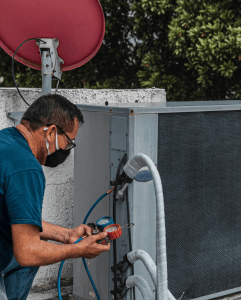
Some home repairs are major and cost a lot of money, such as fixing a roof, replacing a furnace, or changing a water heater. Yet these major repairs are necessary, whether you have the thousands needed to make them or not. Refinancing your home can be a solution, as you can use your equity to make improvements (and possibly increase the value) of your house.
You’ve experienced a medical crisis.
Medical bills can be financially devastating, but most of us would agree that life is worth more than money. If you or a loved one becomes ill and needs medical care, refinancing could provide you with the money for bills, expensive treatments, or rehabilitation.
You’re living in a time of great uncertainty.
Sometimes you don’t have a looming need for cash, but you’re living in a period of extended uncertainty. You may be worried about your job or there could be concerning warning signs about the economy. In times like that, you might want to have extra cash available for peace of mind. Also, keep in mind that if you’re worried you might lose your job, you may want to refinance now when you can. It may be more difficult to be approved for a refinance if you’re out of work.
You’re saddled with unaffordable debt.
If you’ve experienced financial setbacks in the past and you’re trying to claw your way out of debt as a result, a refinance may be a solution that helps to bring you back to financial stability. Since mortgage rates are typically lower than credit card rates and your new mortgage would likely be spread out over 30 years, your debt payments would be much smaller than if you continued to carry your debt on credit cards. Just make sure you don’t run up the credit cards again.
While refinancing may not be the best option for everybody, it could be the best option for you. Schedule a Consultation to get started
4 momentos en los que podría tener sentido refinanciar
Como propietario de vivienda, tienes opciones. No solo cuentas con un lugar propio al que llamar hogar, sino también con una fuente de patrimonio. Si tu casa tiene plusvalía (equidad), podrías refinanciar y utilizar parte de ese valor en otras áreas de tu vida.
Antes de decidir refinanciar, hay algunos puntos importantes que debes tener en cuenta.
Primero, presta atención a las tasas hipotecarias. No conviene refinanciar si las tasas están demasiado altas, y estas pueden subir o bajar rápidamente. Un Asesor de Propiedad de Vivienda puede ayudarte a determinar el momento adecuado para dar este paso.
También es importante entender que, cuando realizas un refinanciamiento con retiro de efectivo (cash-out refinance) y utilizas la equidad de tu vivienda, el dinero que retires pasará a formar parte de tu nuevo préstamo hipotecario. Aunque se trata de una deuda, las tasas hipotecarias suelen ser más bajas que las de otros tipos de préstamos, como los préstamos personales o las tarjetas de crédito.
Ahora que sabes un poco más sobre lo que implica un refinanciamiento con retiro de efectivo, aquí te presentamos cuatro situaciones en las que podría tener sentido hacerlo.
Necesitas hacer una reparación o renovación costosa en tu vivienda
Algunas reparaciones del hogar son importantes y costosas, como arreglar el techo, reemplazar el sistema de calefacción o cambiar el calentador de agua. Sin embargo, estas reparaciones son necesarias, tengas o no miles de dólares disponibles para realizarlas. Refinanciar tu vivienda puede ser una solución, ya que te permite usar la equidad para hacer mejoras (y posiblemente aumentar el valor) de tu casa.
Has enfrentado una crisis médica
Las facturas médicas pueden ser financieramente devastadoras, pero la salud y la vida valen más que el dinero. Si tú o un ser querido enferman y necesitan atención médica, refinanciar podría brindarte los recursos necesarios para cubrir gastos, tratamientos costosos o rehabilitación.
Estás viviendo un período de gran incertidumbre
A veces no tienes una necesidad inmediata de efectivo, pero atraviesas un período prolongado de incertidumbre. Tal vez te preocupa tu empleo o existan señales inquietantes sobre la economía. En momentos así, contar con efectivo adicional puede brindarte tranquilidad. Además, si temes perder tu trabajo, quizá sea mejor refinanciar ahora, cuando aún puedes hacerlo. Podría resultar más difícil obtener la aprobación para un refinanciamiento si te quedas sin empleo.
Estás cargando con deudas difíciles de pagar
Si has atravesado dificultades financieras en el pasado y estás tratando de salir de deudas, un refinanciamiento puede ayudarte a recuperar la estabilidad financiera. Dado que las tasas hipotecarias suelen ser más bajas que las de las tarjetas de crédito y que el nuevo préstamo hipotecario generalmente se extiende a 30 años, tus pagos mensuales serían mucho menores que si mantuvieras esas deudas en tarjetas de crédito. Solo asegúrate de no volver a endeudarte con las tarjetas.
Aunque refinanciar no es la mejor opción para todos, podría ser la mejor opción para ti. Programa una consulta para comenzar.