
For many homeowners, home equity represents years of hard work, sacrifice, and financial progress. So when financial challenges arise — whether it’s rising expenses, mortgage struggles, debt, or the need for emergency cash — homeowners may start exploring different ways to access that equity.
One option that has become more common in recent years is something called a Shared Appreciation Loan.
At first glance, it may sound appealing: Get money now in exchange for sharing a portion of your home’s future value later.
But before signing any agreement, it’s important to understand exactly how these programs work — and what they could mean for your future wealth.
What Is a Shared Appreciation Loan?
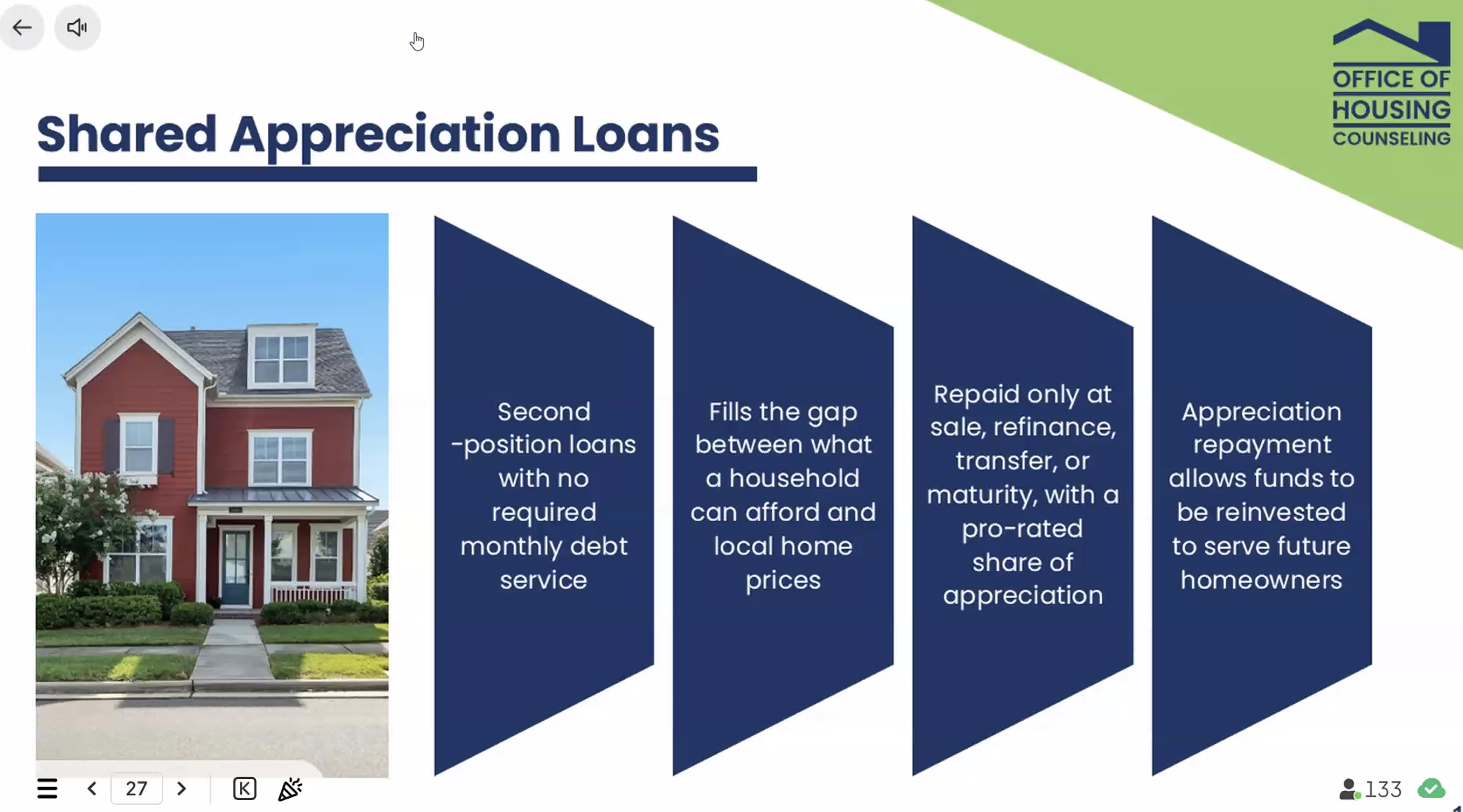
A shared appreciation loan is an agreement where a company, lender, or investor provides you with money today in exchange for a percentage of your home’s future appreciation.
In simple terms:
- You receive funds now.
- Later, when you sell or refinance your home, the company receives:
- The original amount they gave you
- Plus a percentage of the increase in your home’s value over time
Unlike a traditional loan, the repayment amount can grow significantly if your property value increases.
Simple Example
Imagine your home is currently worth $300,000.
A company offers you $40,000 through a shared appreciation agreement. In exchange, they receive 20% of your home’s future appreciation.
Five years later, your home value increases to $400,000.
That means your home appreciated by $100,000.
In this case, you may owe:
The original $40,000
Plus 20% of the appreciation ($20,000)
Total repayment: $60,000
And if your home value rises even more, the amount owed could continue to increase.
Why Homeowners Consider Shared Appreciation Loans
These programs are often marketed to homeowners who:
- Need access to cash quickly
- Want lower monthly payment obligations
- Have home equity but limited income
- May not qualify for traditional refinancing
- Are trying to avoid foreclosure
- Need funds for repairs, medical expenses, or debt consolidation
Some shared appreciation agreements may offer little to no monthly payments upfront, which can feel like a relief during difficult financial periods.
The Trade-Off Many Homeowners Don’t Realize
The biggest thing homeowners should understand is this:
You may be giving away a portion of your future equity.
If your home increases substantially in value, you could end up repaying far more than you originally borrowed.
For homeowners in growing housing markets, this can mean losing tens of thousands of dollars in future wealth.
Because these agreements can be complex, some homeowners do not fully understand the long-term impact until years later.
Questions Every Homeowner Should Ask
Before signing any shared appreciation agreement, homeowners should ask:
How much appreciation am I giving up?
Even a small percentage can become a large amount over time.
What happens if my home value rises significantly?
A rapidly increasing market could dramatically increase your repayment amount.
When will I have to repay the agreement?
Many agreements require repayment when:
- You sell the home
- Refinance the mortgage
- Reach the end of the contract term
Are there fees or penalties?
Some programs may include additional costs or restrictions.
How could this affect my future plans?
Shared appreciation agreements may impact:
- Future refinancing
- Selling your home
- Passing wealth to family members
- Long-term equity growth
Potential Benefits
In certain situations, shared appreciation loans may provide:
- Access to cash without selling the home
- Lower immediate payment pressure
- Financial relief during hardship
- An alternative for homeowners who cannot qualify for traditional loans
Potential Risks
Homeowners should also carefully consider the risks:
- Reduced future equity
- Higher repayment amounts if home values increase
- Complex contract terms
- Possible limitations on refinancing or selling
- Long-term financial consequences that may not be obvious upfront
Talk to a Trusted Housing Counselor First
Before agreeing to any shared appreciation loan or home equity agreement, consider speaking with a trusted HUD-certified housing counselor who can help review your options and explain the fine print.
Depending on your situation, there may be other solutions available, including:
- Loan modification options
- Repayment plans
- Mortgage assistance programs
- Refinancing options
- Budget counseling
- Foreclosure prevention support
Need Guidance?
HomeFree-USA’s HUD-certified counselors are here to help homeowners better understand their options and make informed financial decisions.
Whether you are facing hardship, exploring equity solutions, or simply looking for guidance, you do not have to navigate it alone.