
As the housing landscape rapidly evolves, the fresh perspectives and energy of Generation Z are indispensable assets for developers, policymakers, community organizations, and financial institutions. Born between the mid‑1990s and early 2010s, Gen Z has grown up amid rapid technological change, social activism, and economic uncertainty. Their deep fluency with digital tools, combined with a commitment to equity and sustainability, makes them ideal partners in reimagining how we empower future homeowners and build the neighborhoods in which they live.
Real-Life Example: HBCU Architecture Students Innovate
At HomeFree‑USA, we’re taking this lesson into the field through Poppleton Reimagined, where we’re collaborating with architecture students from Morgan State University in our housing development initiative. These students actively contribute design concepts and development ideas, helping to revitalize a historic Baltimore neighborhood.
“As a student, it means a lot to have my voice heard in spaces that shape communities. Contributing real ideas, not just hypotheticals, feels empowering. I’m passionate about design and its impact on people’s lives, so knowing that my input could help build something meaningful gives me hope for what I can do in this industry. It’s not just about school. It’s about showing up, being seen, and creating change that lasts.” —Xavier P., Morgan State U. student and Poppleton Reimagined participant.
By positioning students not as observers but as co‑creators, Poppleton Reimagined exemplifies how young talent can drive holistic neighborhood transformation—from blueprint to brick. It’s a powerful example of how we’re blending education, community investment, and creativity—all through the lens of young talent.


Real-Life Example: Experian’s #IYKYK Pitch Competition
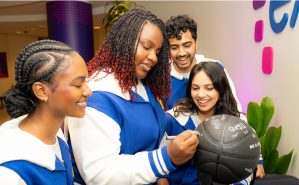
Forward-thinking companies, such as financial industry leader Experian, already recognize Gen Z’s unique potential. In early 2025, Experian partnered with HomeFree‑USA’s Center for Financial AdvancementⓇ to host the #IYKYK (“If You Know, You Know”) Pitch Competition, inviting HBCU students to devise new, engaging ways to make financial literacy and credit education a rite of passage for young adults. Four students from Fisk University captured the $40,000 grand prize with FinLit HQ, a gamified platform that demystifies credit for teens as young as 13—empowering them to build healthy financial habits well before they apply for a mortgage.
“At Experian, our goal is to make credit education not only informative but also fun, exciting, and culturally relevant. Seeing the enthusiasm and dedication from these students reaffirms our commitment to this mission with HomeFree-USA and the Center for Financial Advancement.” —Raudy Perez, Senior Director of External Diversity, Equity and Inclusion Partnerships for Experian North America.
With three in five adults acknowledging that a lack of credit understanding cost them over $1,000—and 40% of under‑25 consumers “credit invisible”—there is a glaring need for relatable, culturally relevant financial education.
By challenging students to “teach their peers,” Experian and HomeFree‑USA utilized authentic Gen Z insights into game dynamics, social sharing, and mobile engagement—laying the groundwork for stronger, well‑informed future homeowners.
The next generation brings not only fresh thinking but also authentic insights into how financial education should evolve. When institutions listen directly to emerging generations, they unlock creative, high‑impact solutions that traditional approaches often miss.
Why Gen Z Matters in the Housing Industry’s Next Steps
Digital Forst Thinking
As digital natives, Gen Zers expect intuitive, tech‑enabled experiences in every facet of their lives—from banking apps to virtual tours. By involving young voices in the early development phases, organizations can create and market solutions—whether affordable housing designs, credit education tools or home lending programs—that seamlessly integrate technology, online community platforms, and desired amenities. This approach not only attracts next-gen consumers but also future‑proofs properties and programs for a market that these digitally savvy consumers will soon dominate.
Commitment to Equity and Inclusion
Many Gen Zers have come of age in an era defined by social justice movements. They demand that the organizations they work for and buy from prioritize accessibility, affordability and inclusion. Incorporating these values leads to more resilient communities and neighborhoods—and a healthier economy—where solutions foster long‑term homeowner stability and access to homeownership across communities.
Non-Negotiable Sustainability
Climate change is no abstract idea for Gen Z. They want the companies they do business with to be environmentally proactive. They expect housing developments to minimize environmental impact through energy‑efficient design, renewable materials, and low‑carbon construction methods. By tapping into their eco‑innovative mindset, organizations can achieve greener certifications, reduce operating costs, and resonate with a generation that prioritizes sustainability.
Strategies for Integrating Gen Z in Housing Initiatives
Establish Youth Advisory Councils
Create formal channels for Gen Z representatives—students, recent graduates, or young professionals—to provide input on plans, strategies, programs, and policies. Compensating them reinforces the value of their contributions. Host Innovation Challenges Emulate the #IYKYK model by sponsoring hackathons, pitch competitions, or design sprints focused on areas like credit education, eco‑retrofits, or community engagement. Offer seed funding or internships as incentives.
Forge Strategic Partnerships
Collaborate with local colleges and universities—particularly HBCUs and community colleges—or organizations that work with them, like HomeFree-USA, to integrate real‑world housing challenges into coursework. This ensures a steady pipeline of creative solutions and access to young people’s insights and perspectives, while exposing students to career pathways in the housing industry and development. Intentional pathways for learning and development ensure that emerging professionals are well-prepared for the working world, ultimately leading to their long-term sustainability, innovation, and financial success—which benefits everyone.
Leverage Social Media for Co‑Creation
Use platforms like TikTok, Instagram, and Discord to solicit micro‑idea submissions, conduct live polls, and prototype concept visuals. Gen Z’s comfort with these channels can surface insights that traditional surveys might overlook.
Invest in Mentorship, Skill‑Building and Real-World Access
Provide Gen Z with opportunities that give them access to knowledge, training, and hands-on experience. For example, pair seasoned developers, architects, and financial experts with student teams, as in HomeFree-USA’s Poppleton Reimagined. This transfer of knowledge elevates project quality and cultivates the next generation of leaders committed to equitable, sustainable homeownership.

Conclusion
To build housing and homeownership programs that endure, we must embrace the ingenuity of Gen Z. Their digital fluency, passion for social equity, and drive for environmental stewardship position them as indispensable partners in reshaping how we live and invest in communities.
At HomeFree‑USA, our collaborations—from Experian’s financial literacy challenge to Poppleton Reimagined—demonstrate the transformative power of youth engagement. By elevating Gen Z voices in design, education, and policy, we’re not just optimizing everyone’s access to homeownership—we’re empowering the next generation to claim their place in America’s homeownership narrative.
Together, let’s continue to listen, co‑create, and build a future where every community thrives with the ideas and energy of its youngest visionaries. Contact us to learn how we can partner to bring Gen Z’s ideas and energy to your organization.